Special vs. Regular Licenses:

What's the Real Difference?
This is a question we are asked many times each year.
Wyoming's two-tiered license pricing system for nonresident elk, deer, and antelope licenses is unique among western states. No other western state offers this structure. The system has been in place for more than 30 years and was originally supported by Wyoming's outfitting industry.
The concept behind the system is straightforward:
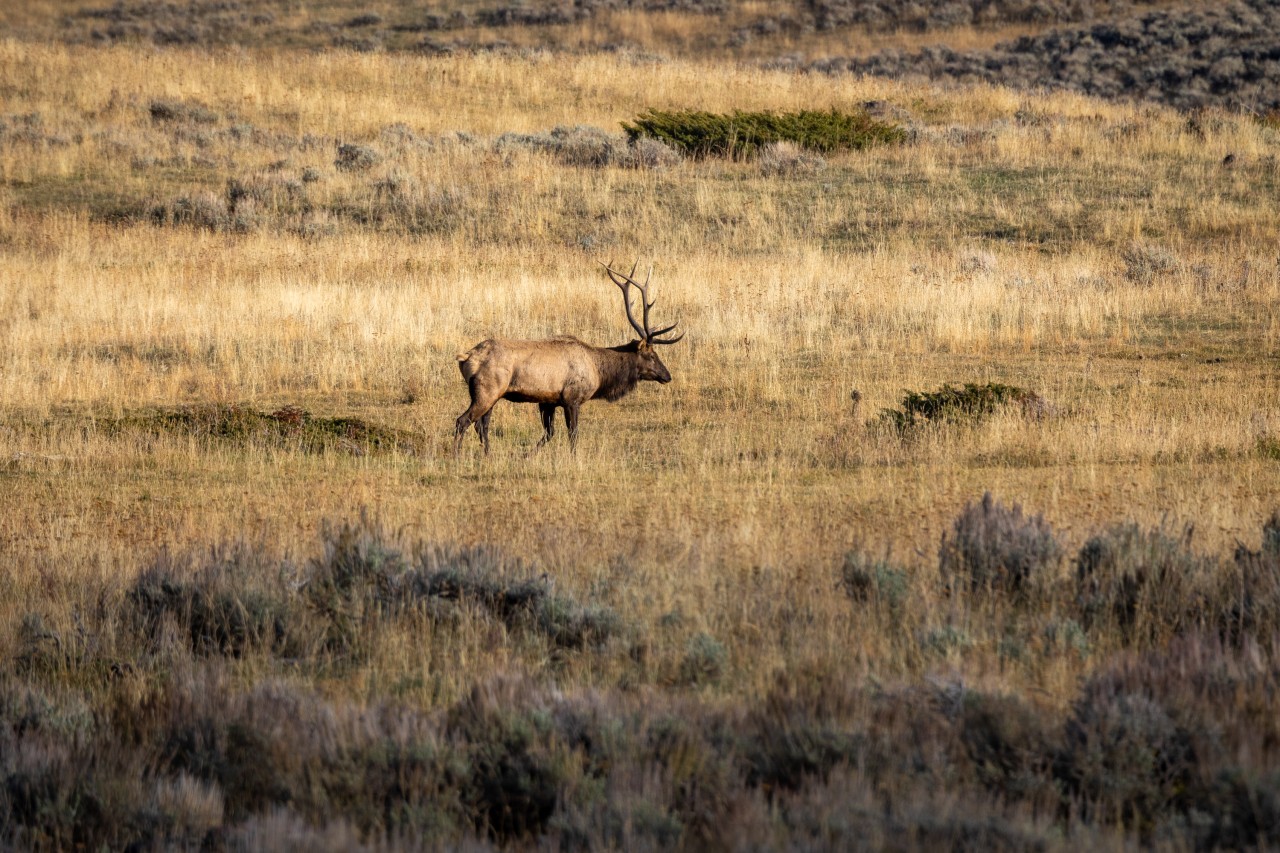
applicants who are willing to pay a higher license fee receive better draw odds. Many outfitted hunters invest significantly more in their overall hunt experience than a DIY hunter and are often willing to pay more for a license if it improves their chances of drawing.
Years of draw statistics show
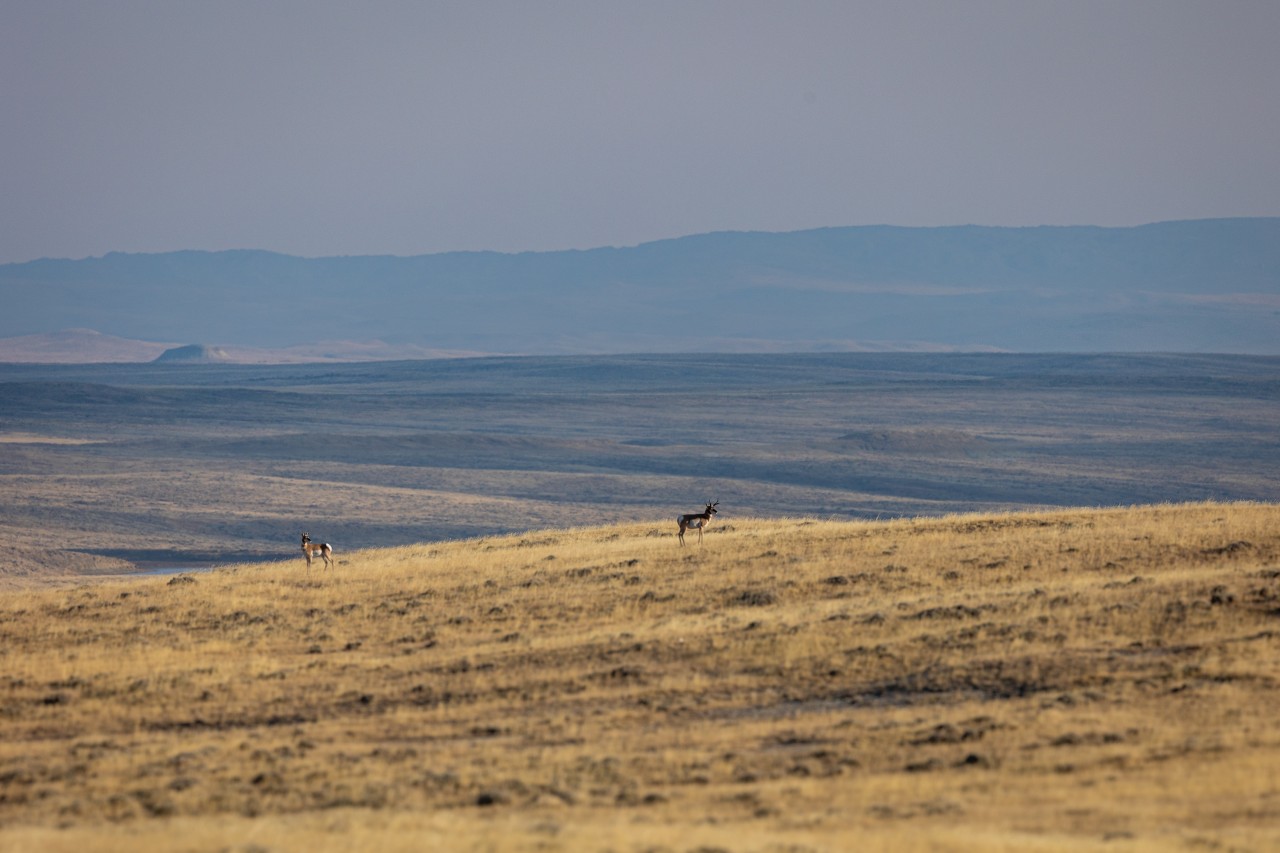
that the special license typically provides better odds and in some cases, substantially better odds. For example, one of our premier trophy antelope areas may require seven or more preference points to draw a regular-priced license. In that same unit, a special license may require only five points to draw.
For the system to function as intended, the difference in cost between the regular and special licenses must remain significant.
When you book a hunt with SNS Outfitter & Guides, we carefully review your preference points and those of your hunt party. Based on your goals and your point total, we will advise you on whether applying for the regular or special license offers the strongest draw opportunity.
Our goal is simple: to position your hunt party for a successful draw.
Every Wyoming dream bull elk or trophy antelope hunt begins with one critical step securing the license. If you have questions about your preference points, draw odds, or whether the regular or special license makes the most sense for you, we're here to help and happy to walk you through the process.
To contact SNS:
🌐 Website: www.HuntWyo.com
📞 Phone: 1-307-266-4229
📧 Email: